
“The Middle East does not punish ambition. It punishes assumptions.”
Every quarter, another wave of European, Asian and North American companies register a branch in the UAE and treat it as a stepping stone into Saudi Arabia, Qatar, Kuwait, Oman and Bahrain. Most of them underestimate one thing: the region does not behave like a single market, and the risks that sink a launch are rarely the ones on the founder’s original spreadsheet. Before you sign a lease in DIFC or apply for a Dubai mainland licence, it is worth mapping the risks the way a due-diligence team would, not the way a pitch deck does. Good risk management here is less about avoiding the region and more about knowing which layer of it you are actually entering.
Political, Sanctions and Country Risk
The Middle East is a patchwork of jurisdictions with very different exposure profiles. The UAE and Saudi Arabia are stable, well-rated and open to foreign capital. Neighbours like Iran, Syria, Yemen and parts of Iraq sit under active sanctions regimes from the US Office of Foreign Assets Control, the EU and the UK. If your ownership chain, your suppliers or your customers touch any sanctioned entity, even indirectly, a UAE bank can freeze your account within days. Screening is not optional.
Country risk also means understanding regional tension. A quiet month in the Gulf can turn into a shipping-lane crisis fast, and insurance premiums move with it. The Strait of Hormuz alone carries roughly a fifth of global oil trade, so any disruption there ripples into your cost base whether or not you sell energy.
- Sanctions screening. Run every shareholder, director and top-tier supplier against OFAC, EU and UN lists before incorporation, not after.
- Ownership structure. Confirm whether your sector still requires an Emirati partner or qualifies for 100% foreign ownership under the 2021 reforms.
- Local licensing. Free zone versus mainland changes what you can sell, to whom, and how you invoice.
- Regional spillover. Model what happens to your P&L if a neighbour closes airspace for two weeks.
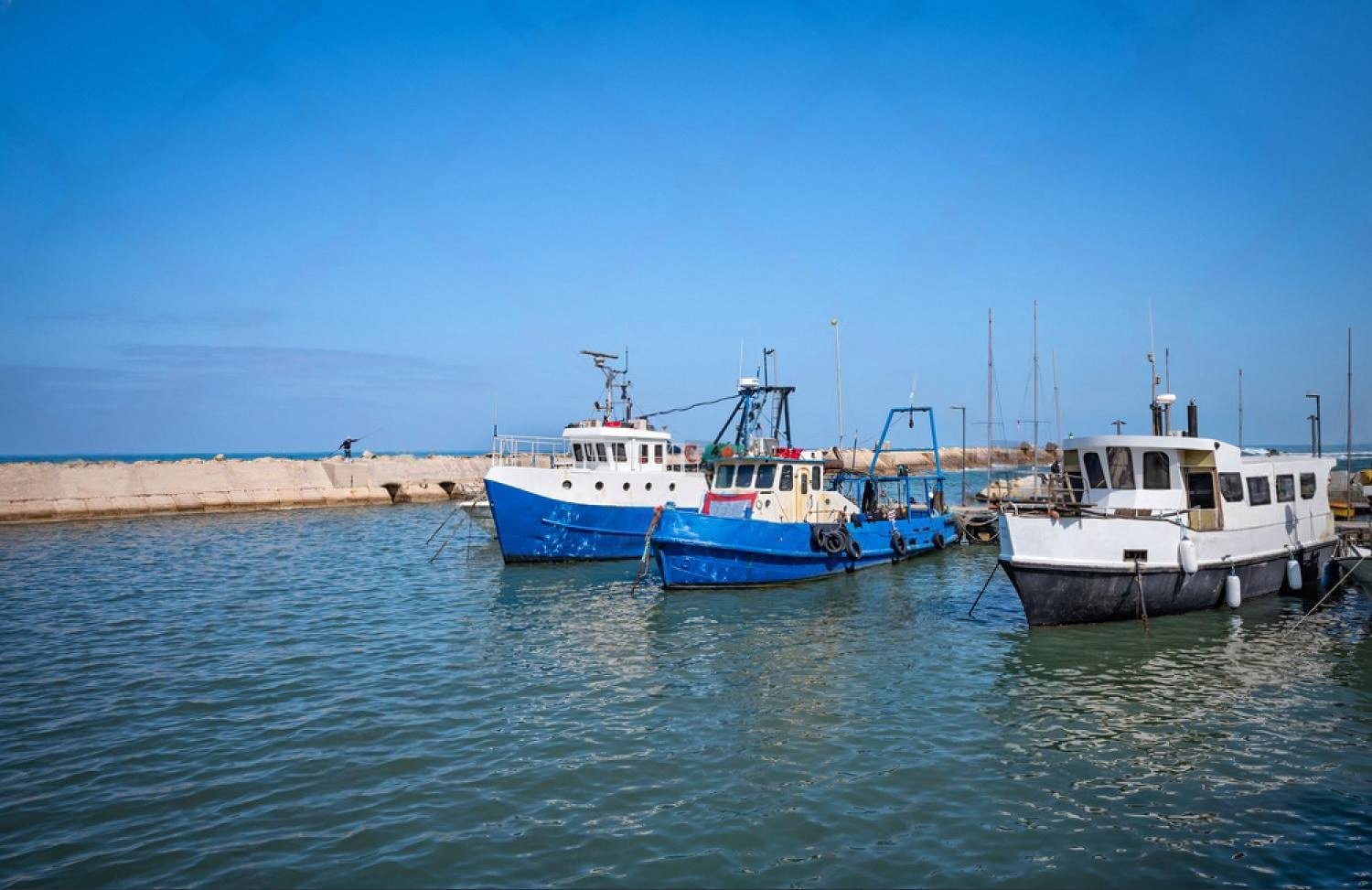
Logistics, Operations and People Safety
The UAE has some of the best logistics infrastructure in the world. Jebel Ali is the largest container port in the Middle East, and both DXB and DWC handle serious cargo volumes. That does not mean shipping into the region is frictionless. Customs classifications in Saudi Arabia, halal certification rules, product registration with the Emirates Authority for Standardization and Metrology, and last-mile delivery outside Tier 1 cities can each add weeks. Founders who model logistics as “a truck from Jebel Ali to Riyadh” usually discover the border-crossing paperwork the hard way.
Employee safety is another line item that quietly matters. If your team travels between Dubai, Doha, Manama and Riyadh, you need a duty-of-care policy, medical evacuation cover, and clear rules on which destinations require pre-approval. Local staff face different risks than expatriate staff, and your HR contracts should reflect that.
Financial Risk and Banking Reality
Opening a corporate bank account in the UAE takes longer than most founders expect. Compliance teams at Emirates NBD, ADCB, Mashreq and the international banks review the ultimate beneficial owner, source of funds, expected transaction volumes and counter-party countries. If your business plan mentions frequent transfers to or from higher-risk jurisdictions, expect months of back-and-forth or a polite decline. Plan for a three to six month runway on banking, and keep a backup application in a second bank running in parallel.
Currency risk in the Gulf is unusual: the AED, SAR, QAR, BHD and OMR are all pegged to the US dollar, so your USD exposure is stable. Your risk is elsewhere. VAT compliance (5% in the UAE and Saudi Arabia, 15% in KSA on most goods), the new UAE 9% corporate tax introduced in June 2023, and transfer-pricing scrutiny on intra-group invoicing all need modelling before your first invoice goes out. See the UAE Federal Tax Authority for the current framework.
Product-Market Fit Is Still the Biggest Risk
Sanctions, logistics and banking are the risks people write about. The one that kills most launches is quieter: the product simply does not sell the way it did at home. GCC consumers are young, digitally native, brand-conscious and highly segmented by nationality. Emirati, Saudi, South Asian expatriate and Western expatriate buyers behave differently, and pricing that works in Bur Dubai flops in Jumeirah, and vice versa.

Pre-Launch Risk Checklist
- Screen all shareholders, directors and top ten suppliers against OFAC, EU and UN sanctions lists.
- Confirm licensing route: mainland, free zone or offshore, and whether it matches your actual sales channel.
- Map end-to-end logistics for at least two GCC countries, including product registration timelines.
- Start corporate bank account applications with two institutions in parallel, before you need the account.
- Model VAT and 9% UAE corporate tax into your first three years of unit economics.
- Buy medical, travel and evacuation insurance for every employee crossing borders in the region.
- Run at least one paid pilot (not a survey) with local buyers before committing to full inventory.
- Draft an exit plan: how do you wind down cleanly if year one misses target by 50%?
The founders who succeed here are the ones who treat the first year as paid research, not as revenue.
Frequently asked questions
Which country in the Middle East is the safest entry point for a foreign business?
The UAE is generally the default choice. It offers stable governance, USD-pegged currency, 100% foreign ownership in most sectors since 2021, mature free zones such as DMCC, DIFC and JAFZA, and world-class logistics through Jebel Ali and Dubai’s airports.
Saudi Arabia is the larger market by population and consumer spend, but registration, Saudization quotas and product approvals take longer. Most companies use the UAE as a base and expand into KSA in year two.
How long does it take to open a corporate bank account in the UAE?
Realistically, three to six months for a foreign-owned company, sometimes longer if your shareholders or supply chain touch higher-risk jurisdictions. Banks review the ultimate beneficial owner, source of funds and expected transaction flows in detail.
Apply to at least two banks in parallel and keep clean, translated corporate documents ready. Do not sign long-term leases or commit to inventory before you have a working account.
Do sanctions really affect a company that only sells in the UAE?
Yes. UAE banks apply US, EU and UN sanctions rigorously because they rely on correspondent banking relationships in dollars and euros. If any shareholder, director, supplier or customer sits on a sanctions list, your account can be frozen or closed with little notice, even if the transaction itself is domestic.
What taxes should I plan for when entering the UAE market?
Three main ones. VAT is 5% on most goods and services. Corporate tax of 9% applies to taxable profit above AED 375,000, introduced in June 2023. Free zone companies may qualify for a 0% rate on qualifying income if they meet substance requirements.
Customs duty is usually 5% on imports into the GCC. Always confirm the current position with a licensed tax advisor before pricing your product.
How do I test product demand before committing to full market entry?
Run a paid pilot, not a survey. Options include a soft launch through a distributor, listing on Noon or Amazon.ae, a pop-up in a Dubai mall, or a limited D2C shipment from a free zone warehouse. Measure real conversion, repeat purchase and return rates over at least eight to twelve weeks.
Segment the results by nationality of buyer. What sells to Emirati customers in Abu Dhabi often behaves very differently to what sells to expatriate customers in JLT.
Is a local partner still required to do business in the UAE?
For most commercial activities on the mainland, no. Since the 2021 amendment to the Commercial Companies Law, foreign investors can own 100% of a mainland company in over 1,000 activities. Some strategic sectors (defence, certain energy activities, security) still require an Emirati partner.
Free zones have always allowed full foreign ownership. The trade-off is that free zone companies face restrictions on selling directly into the UAE mainland without a local distributor.
What is the biggest mistake first-time entrants make?
Treating the Middle East as a single market. GCC countries share a customs union but differ sharply in consumer behaviour, product registration rules, payment terms and pricing tolerance. A launch designed for Dubai will underperform in Riyadh unless it is genuinely re-worked for the Saudi buyer.
The second biggest mistake is under-budgeting the first year. Assume slower revenue, longer sales cycles and higher compliance costs than your home market taught you.

Skier, foodie, band member, Eames fan and HTML5 Guru. Producing at the intersection of art and computer science to craft delightful brand experiences. I sometimes make random things with friends.