A UAE parent case study
One wooden set quietly replaced a whole shelf of plastic
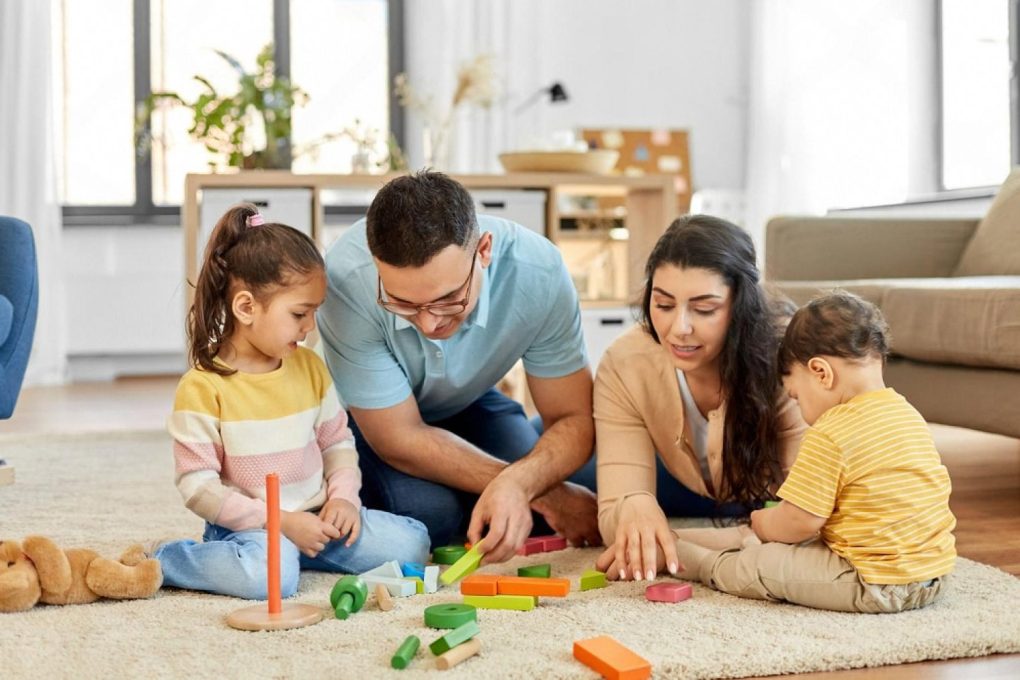
Reem, a mother of two in Al Barsha, was tidying her son’s bedroom for the third time that week when she noticed something strange: almost every broken, faded, or forgotten toy in the discard pile was plastic. The wooden blocks her sister had shipped from Europe two years earlier still looked new. That small observation turned into a full rethink of how her family buys, uses, and disposes of toys.
Before and after: the toy shelf
Around 60 plastic items: light-up gadgets with dead batteries, hollow figurines, cracked cars, sticker sets. Loud, colourful, and mostly ignored after a week. Two full bags of broken toys were thrown out every month.
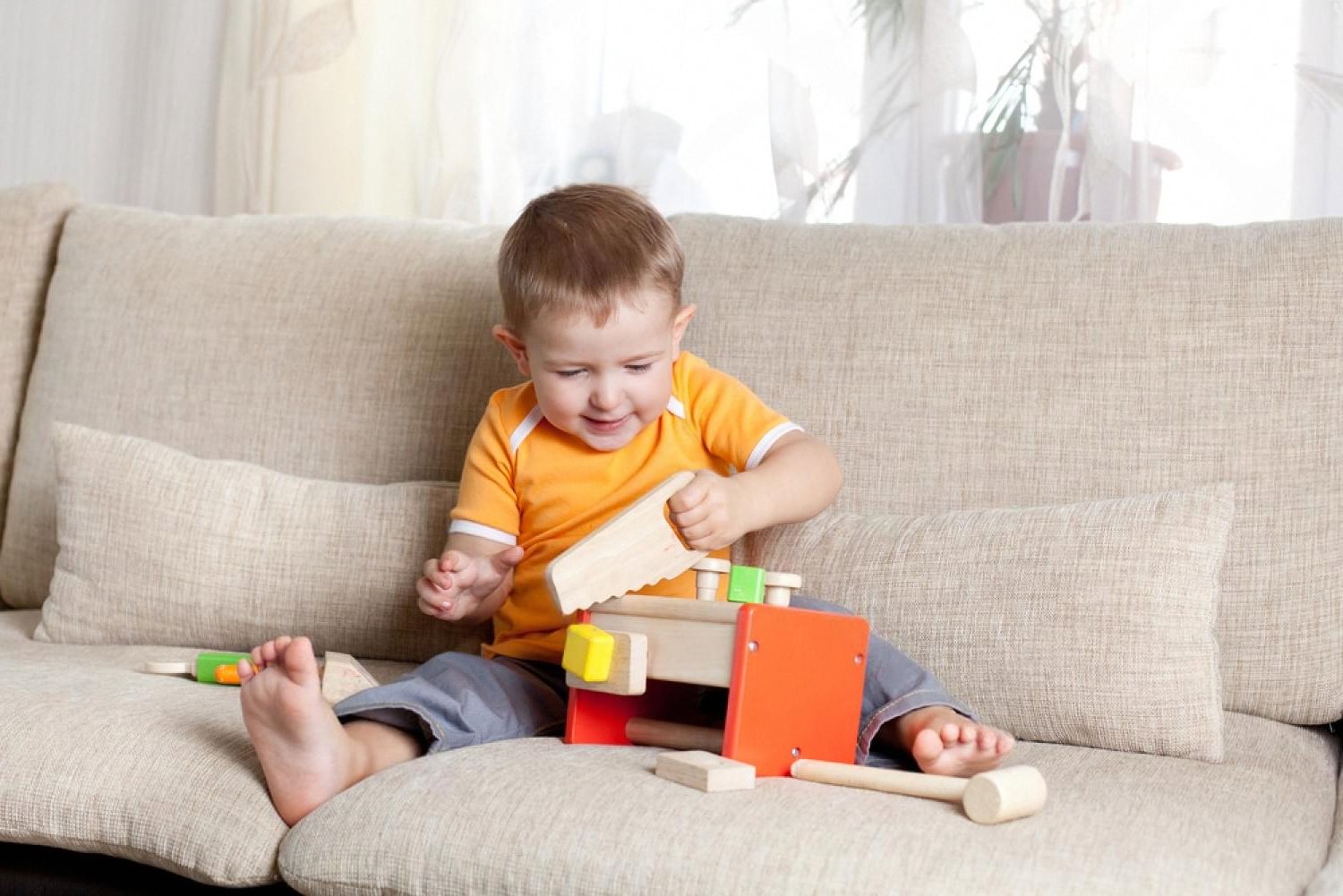
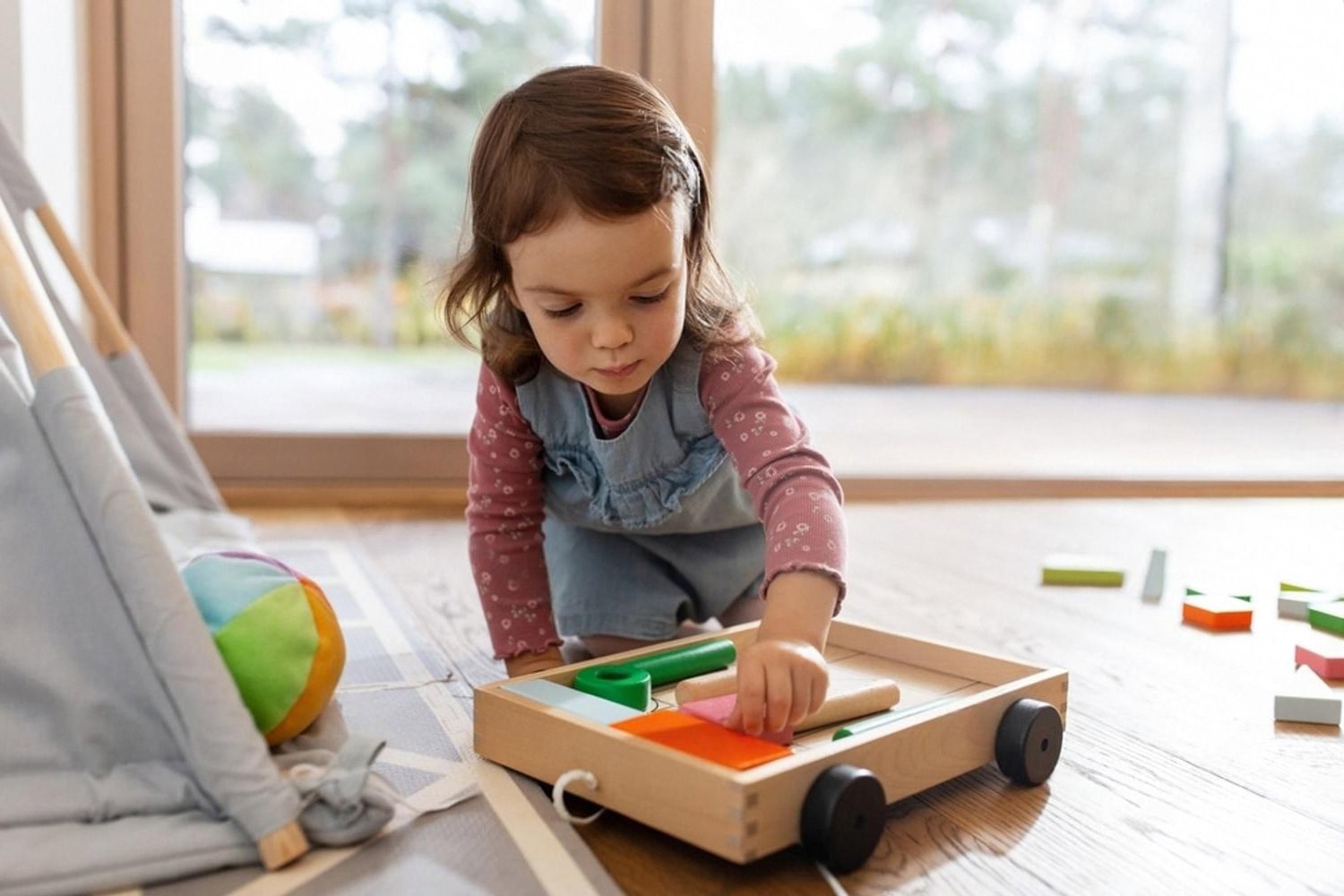
Around 25 items, mostly FSC-certified wood, cotton, and natural rubber. A pull-cart of blocks, a workbench, a xylophone, some fabric animals. Play sessions last longer, the toys survive drops, and almost nothing ends up in the bin.
The problem
What we tried first
Like most UAE families, Reem started with the easy route: mall toy shops, birthday party gifts, and impulse buys from supermarket aisles. The house filled up fast. So did the guilt. Every attempt to fix it created a new small failure.
- Buying “educational” plastic toys. They still broke, still needed batteries, and still smelled faintly of solvent when unwrapped.
- Rotating toys in and out of storage. Helpful for a week, then the kids forgot what was in the boxes.
- Donating the overflow. Charities in Dubai often will not accept scratched or incomplete plastic sets, so most of it went to landfill anyway.
- Buying cheaper duplicates. Two of the same cheap scooter meant two of the same broken scooter three months later.
The pattern was clear. The volume of toys kept growing, and the actual quality of play kept dropping. Something in the buying logic had to change, not just the tidying.
The shift
What actually worked
The turning point was a rule Reem gave herself: fewer toys, but each one had to earn its place. That meant checking materials, checking who made it, and checking whether her kids would still want it in a year. Most of what stayed was wooden or fabric. A lot of it came from small specialists rather than big-box chains, including a set of wooden toys from Dubai made from reclaimed rubber-wood and finished with water-based paints.
- FSC-certified wood. The Forest Stewardship Council label means the wood is traceable and the forest is managed responsibly.
- Non-toxic, water-based paints. No solvent smell, safer if a toddler chews the corner of a block.
- Plastic-free packaging. Cardboard and paper twine instead of clamshells and twist-ties.
- Open-ended designs. Blocks, stackers, kitchens, workbenches: toys that a two-year-old and a six-year-old use in different ways.
- Repairable construction. Screws instead of glue, replaceable parts, wood that can be sanded if it chips.
Six months in, the family had spent slightly more per toy but far less overall, because they were not constantly replacing broken items. And the kids’ room finally stayed tidy for more than a day.
What makes a toy actually sustainable
“Eco-friendly” is a marketing word, so it helps to know what to look for on the label before you trust it. A genuinely sustainable toy usually ticks most of these boxes:
- Certified materials. FSC or PEFC wood, GOTS-certified cotton, natural rubber from tapped trees.
- Safe finishes. Water-based, lead-free paints and food-grade oils. Look for EN 71 (European toy safety) compliance, which is widely recognised in the UAE.
- Recycled or recyclable content. Some brands use reclaimed rubber-wood after the tree has finished producing latex, which is both renewable and low-waste.
- Minimal packaging. Recycled cardboard, soy-based inks, no plastic film.
- Long product life. Solid joinery, spare parts available, and a design your child will not outgrow in a season.
Safer materials
Wood, cotton, and natural rubber do not off-gas the way soft plastics can. Studies on phthalates and BPA, summarised by the World Health Organizationhave pushed many regulators to tighten limits, but sustainable toys usually avoid these compounds by design.
Better durability
A wooden train survives a drop onto a marble floor. A hollow plastic one often cracks on the first fall. Durability is not just convenience, it is also less waste and less money spent replacing the same toy twice.
Timeless play
Blocks, animals, kitchens, and simple vehicles have entertained children for a century because they invite imagination instead of dictating it. There is nothing to update, nothing to charge, nothing to unlock.
The environmental side of the story
Toys are a bigger environmental story than most parents realise. The industry is one of the most plastic-intensive consumer sectors on the planet, and toys are notoriously hard to recycle because they mix different plastics, metals, batteries, and electronics in one small object. Most municipal recycling programmes, including those in Dubai and Abu Dhabi, cannot process them, so broken toys tend to go straight to landfill or incineration.
Buying one well-made wooden set instead of five short-lived plastic ones cuts the raw-material footprint, the shipping footprint (fewer boxes over time), and the disposal footprint. It is a small individual choice with a compounding effect over the roughly ten years a family spends actively buying toys.
“The moment I stopped buying toys by the bagful and started buying one thing my kids would still love in two years, everything got calmer. Fewer tantrums, less clutter, less rubbish. I wish I had done it from day one.”
How to choose (and care for) sustainable toys
If you are starting from a plastic-heavy shelf, you do not have to throw everything out. A slower switch works better and costs less. The next time a toy breaks, replace it with something built to last, and ask a few honest questions before you tap “add to cart”:
- What is this made of, and can I recognise every material?
- Is there a certification I can verify, or is the brand just using green colours?
- Will my child still play with this in a year, or is it tied to a passing character?
- Can it be repaired, resold, or handed down?
Caring for wooden toys is simple: wipe with a damp cloth (no soaking), keep them out of direct sun so the wood does not crack in UAE summers, and rub a little food-safe oil on any surface that starts to look dry. Done occasionally, this keeps a wooden set looking presentable for a decade or more, which is often longer than the child needs it.
Frequently asked questions
Are wooden toys really safer than plastic ones?
In most cases, yes. Solid wood does not release phthalates, BPA, or the softeners found in some flexible plastics, and reputable brands finish their toys with water-based, lead-free paints. Wooden toys also tend to break into large, obvious pieces rather than small sharp shards.
The one thing to watch for is small parts and splinters on very cheap wooden imports. Sticking to brands that state EN 71 or ASTM F963 compliance covers you on both counts.
What actually counts as a sustainable toy?
A sustainable toy is one where the materials, the manufacturing, and the packaging are all designed to minimise environmental harm. In practice that usually means FSC-certified or reclaimed wood, organic or recycled fabrics, non-toxic finishes, plastic-free packaging, and a design built to last several years.
A vague “eco” label on a plastic toy does not qualify. Look for specific certifications you can verify.
How long do wooden toys usually last?
With basic care, a well-made wooden toy easily lasts 10 to 20 years. Many UAE parents pass wooden blocks, kitchens, and pull-along toys from an older child to a younger sibling, and then on to cousins.
Keep them out of direct sunlight, wipe rather than soak them, and occasionally rub a little food-safe oil on dry patches. That is usually all the maintenance they need.
Are eco-friendly toys worth the higher price?
Per item, yes, they usually cost more. Per year of use, they are often cheaper because you are not replacing them. One 250 AED wooden set that survives three children is a better deal than six 60 AED plastic sets that each break within months.
They also hold resale value on local marketplaces, which plastic toys rarely do.
Where can I find sustainable toys in the UAE?
A growing number of Dubai and Abu Dhabi shops specialise in wooden and eco-conscious brands, and several online stores ship across the Emirates within a day or two. Look for retailers that list the country of origin, the wood type, and the certifications on each product page.
Second-hand groups on local marketplaces are also a good source for gently used wooden toys, which is arguably the most sustainable option of all.
Can my child play with wooden toys outdoors in the UAE heat?
Short outdoor play is fine, but leaving wooden toys in direct sun or on hot balconies is not. UAE summer temperatures can dry the wood, fade the paint, and cause small cracks over time.
Store them indoors, and if you use them in the garden, bring them back inside once play is done. A quick wipe removes sand and dust before it scratches the finish.
What do I do with the plastic toys I already own?
Do not throw them all out at once, that just moves the problem to landfill faster. Use what you have until it breaks or is outgrown, then replace it with something better.
For toys still in good condition, try local buy-nothing groups, nurseries, or charity partners that specifically accept toys. Batteries and electronics should go to designated e-waste drop-off points, not the general bin.

Skier, foodie, band member, Eames fan and HTML5 Guru. Producing at the intersection of art and computer science to craft delightful brand experiences. I sometimes make random things with friends.